
 |
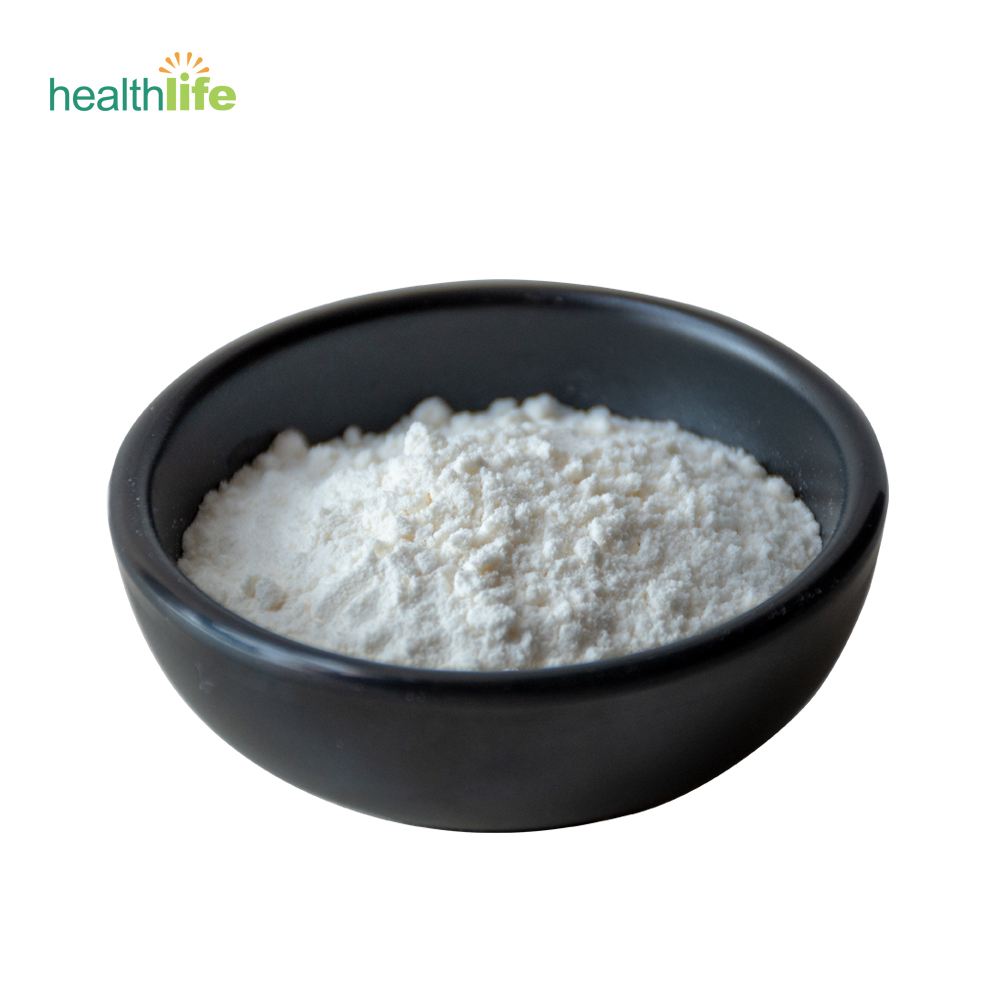
Acetyl-L-Carnitine HCL(ALC)
CAS: 5080-50-2
Molecular weight: 239.7
Molecular formula: C9H18CLNO4
Acetyl-L-Carnitine HCL(ALC) is made from L-carnitine. It can also be converted to L-carnitine, L-carnitine is a nutrient that is derived from the amino acids lysine and methionine. Its name is derived from the fact that it was first isolated from meat (carnus). L-Carnitine is not considered a dietary essential because it is synthesized in the body. The body produces carnitine in the liver and kidneys and stores it in the skeletal muscles, heart, brain, and other tissues. But its production may not meet the needs under certain conditions such as increased energy demands and therefore it is considered a onditionally essential nutriention. There are two forms (isomers) of carnitine, viz. L-carnitine and D-carnitine, and only the L-isomer is biologically active.
Acetyl-L-carnitine is used for a variety of mental disorders including Alzheimer's disease, age-related memory loss, late-life depression, thinking problems related to alcoholism, thinking problems related to Lyme disease, and thinking problems related to very poor liver function (hepatic encephalopathy). It is also used for withdrawal from alcohol, Down syndrome, bipolar disorder, poor circulation in the brain after a stroke, cataracts, nerve pain due to diabetes, nerve pain due to drugs used in the treatment of AIDS or cancer, nerve pain caused by sciatica, fibromyalgia, and facial paralysis. Acetyl-L-carnitine is used for tiredness related to getting older, tiredness related to a disease called multiple sclerosis, a muscle wasting disease called amyotrophic lateral sclerosis, high levels of activity in children with the genetic condition fragile-X syndrome, and attention deficit-hyperactivity disorder (ADHD). It is also used for aging skin.
Function:
Improving memory problems in elderly people. Taking acetyl-L-carnitine improves memory and mental function in older people with some memory loss.
Tiredness in older people. Taking acetyl-L-carnitine improves feelings of mental and physical tiredness in older people. It also appears to reduce feelings of tiredness after exercise.
Age-related testosterone deficiency ("male menopause"). Taking acetyl-L-carnitine by mouth along with propionyl-L-carnitine seems to help symptoms related to declining male hormone levels. This combination taken for 6 months seems to improve sexual dysfunction, depression, and fatigue in much the same way the male hormone testosterone does.
Alcohol withdrawal. When given intravenously (by IV) for 10 days then taken by mouth for 80 days, acetyl-L-carnitine helps reduce withdrawal symptoms and increase the amount of time before another alcoholic drink is consumed. However, most of the symptom improvement occurs during the first week. Therefore, it's not clear if taking acetyl-L-carnitine by mouth offers further benefit following IV treatment.
Treating Alzheimer's disease. Acetyl-L-carnitine might slow the rate of disease progression, improve memory, and improve some measures of mental function and behavior in some patients with Alzheimer's disease. It is more likely to help those with early-onset Alzheimer's disease who are less than 66 years of age and have a faster rate of disease progression and mental decline.
Poor blood flow to the brain. Administering a single dose of acetyl-L-carnitine intravenously (by IV) seems to produce short-term improvements in blood flow in the brains of people who have poor blood circulation in the brain.
Improving memory in alcoholics. Taking acetyl-L-carnitine seems to improve memory in 30-60 year-old people whose use of alcohol has produced long-term thinking problems.
Reducing nerve pain (neuropathy) caused by diabetes. Taking acetyl-L-carnitine seems to improve symptoms in people with nerve pain caused by diabetes. Acetyl-L-carnitine seems to work best in people who have not had diabetes for a long time or who have poorly controlled type 2 diabetes. Also, doses of 1000 mg taken two or three times daily seems to work better than doses of 500 mg three times daily.
Poor brain function in people with liver failure (hepatic encephalopathy). Taking acetyl-L-carnitine improves physical function and may improve mental function in people with poor brain function due to liver failure. It also might improve liver function, as indicated by reduced blood levels of ammonia.
Treating male infertility. Taking acetyl-L-carnitine by mouth, along with L-carnitine, seems to increase sperm motion and may increase the rate of pregnancy in infertile men. Also, taking acetyl-L-carnitine and L carnitine after treatment with non-steroidal anti-inflammatory drugs (NSAIDs) seems to improve sperm count and sperm movement in men with infertility caused by a swelling of the prostate gland, seminal vesicles, and epididymis. In addition, taking a combination of acetyl-L-carnitine, L-carnitine, L-arginine, and Panax ginseng seems to increase sperm movement in men with infertility due to reduced sperm movement. It might also increase sperm movement and sperm count in men with infertility due to prostate swelling caused by Chlamydia infection.
Treating Peyronie's disease, a connective tissue disease in men. Acetyl-L-carnitine seems to be more effective than a drug called tamoxifen for reducing pain and slowing worsening of the condition.
Acetyl-L-Carnitine HCL(ALC)
CAS: 5080-50-2
Molecular weight: 239.7
Molecular formula: C9H18CLNO4
Acetyl-L-Carnitine HCL(ALC) is made from L-carnitine. It can also be converted to L-carnitine, L-carnitine is a nutrient that is derived from the amino acids lysine and methionine. Its name is derived from the fact that it was first isolated from meat (carnus). L-Carnitine is not considered a dietary essential because it is synthesized in the body. The body produces carnitine in the liver and kidneys and stores it in the skeletal muscles, heart, brain, and other tissues. But its production may not meet the needs under certain conditions such as increased energy demands and therefore it is considered a onditionally essential nutriention. There are two forms (isomers) of carnitine, viz. L-carnitine and D-carnitine, and only the L-isomer is biologically active.
Acetyl-L-carnitine is used for a variety of mental disorders including Alzheimer's disease, age-related memory loss, late-life depression, thinking problems related to alcoholism, thinking problems related to Lyme disease, and thinking problems related to very poor liver function (hepatic encephalopathy). It is also used for withdrawal from alcohol, Down syndrome, bipolar disorder, poor circulation in the brain after a stroke, cataracts, nerve pain due to diabetes, nerve pain due to drugs used in the treatment of AIDS or cancer, nerve pain caused by sciatica, fibromyalgia, and facial paralysis. Acetyl-L-carnitine is used for tiredness related to getting older, tiredness related to a disease called multiple sclerosis, a muscle wasting disease called amyotrophic lateral sclerosis, high levels of activity in children with the genetic condition fragile-X syndrome, and attention deficit-hyperactivity disorder (ADHD). It is also used for aging skin.
Function:
Improving memory problems in elderly people. Taking acetyl-L-carnitine improves memory and mental function in older people with some memory loss.
Tiredness in older people. Taking acetyl-L-carnitine improves feelings of mental and physical tiredness in older people. It also appears to reduce feelings of tiredness after exercise.
Age-related testosterone deficiency ("male menopause"). Taking acetyl-L-carnitine by mouth along with propionyl-L-carnitine seems to help symptoms related to declining male hormone levels. This combination taken for 6 months seems to improve sexual dysfunction, depression, and fatigue in much the same way the male hormone testosterone does.
Alcohol withdrawal. When given intravenously (by IV) for 10 days then taken by mouth for 80 days, acetyl-L-carnitine helps reduce withdrawal symptoms and increase the amount of time before another alcoholic drink is consumed. However, most of the symptom improvement occurs during the first week. Therefore, it's not clear if taking acetyl-L-carnitine by mouth offers further benefit following IV treatment.
Treating Alzheimer's disease. Acetyl-L-carnitine might slow the rate of disease progression, improve memory, and improve some measures of mental function and behavior in some patients with Alzheimer's disease. It is more likely to help those with early-onset Alzheimer's disease who are less than 66 years of age and have a faster rate of disease progression and mental decline.
Poor blood flow to the brain. Administering a single dose of acetyl-L-carnitine intravenously (by IV) seems to produce short-term improvements in blood flow in the brains of people who have poor blood circulation in the brain.
Improving memory in alcoholics. Taking acetyl-L-carnitine seems to improve memory in 30-60 year-old people whose use of alcohol has produced long-term thinking problems.
Reducing nerve pain (neuropathy) caused by diabetes. Taking acetyl-L-carnitine seems to improve symptoms in people with nerve pain caused by diabetes. Acetyl-L-carnitine seems to work best in people who have not had diabetes for a long time or who have poorly controlled type 2 diabetes. Also, doses of 1000 mg taken two or three times daily seems to work better than doses of 500 mg three times daily.
Poor brain function in people with liver failure (hepatic encephalopathy). Taking acetyl-L-carnitine improves physical function and may improve mental function in people with poor brain function due to liver failure. It also might improve liver function, as indicated by reduced blood levels of ammonia.
Treating male infertility. Taking acetyl-L-carnitine by mouth, along with L-carnitine, seems to increase sperm motion and may increase the rate of pregnancy in infertile men. Also, taking acetyl-L-carnitine and L carnitine after treatment with non-steroidal anti-inflammatory drugs (NSAIDs) seems to improve sperm count and sperm movement in men with infertility caused by a swelling of the prostate gland, seminal vesicles, and epididymis. In addition, taking a combination of acetyl-L-carnitine, L-carnitine, L-arginine, and Panax ginseng seems to increase sperm movement in men with infertility due to reduced sperm movement. It might also increase sperm movement and sperm count in men with infertility due to prostate swelling caused by Chlamydia infection.
Treating Peyronie's disease, a connective tissue disease in men. Acetyl-L-carnitine seems to be more effective than a drug called tamoxifen for reducing pain and slowing worsening of the condition.