
 |
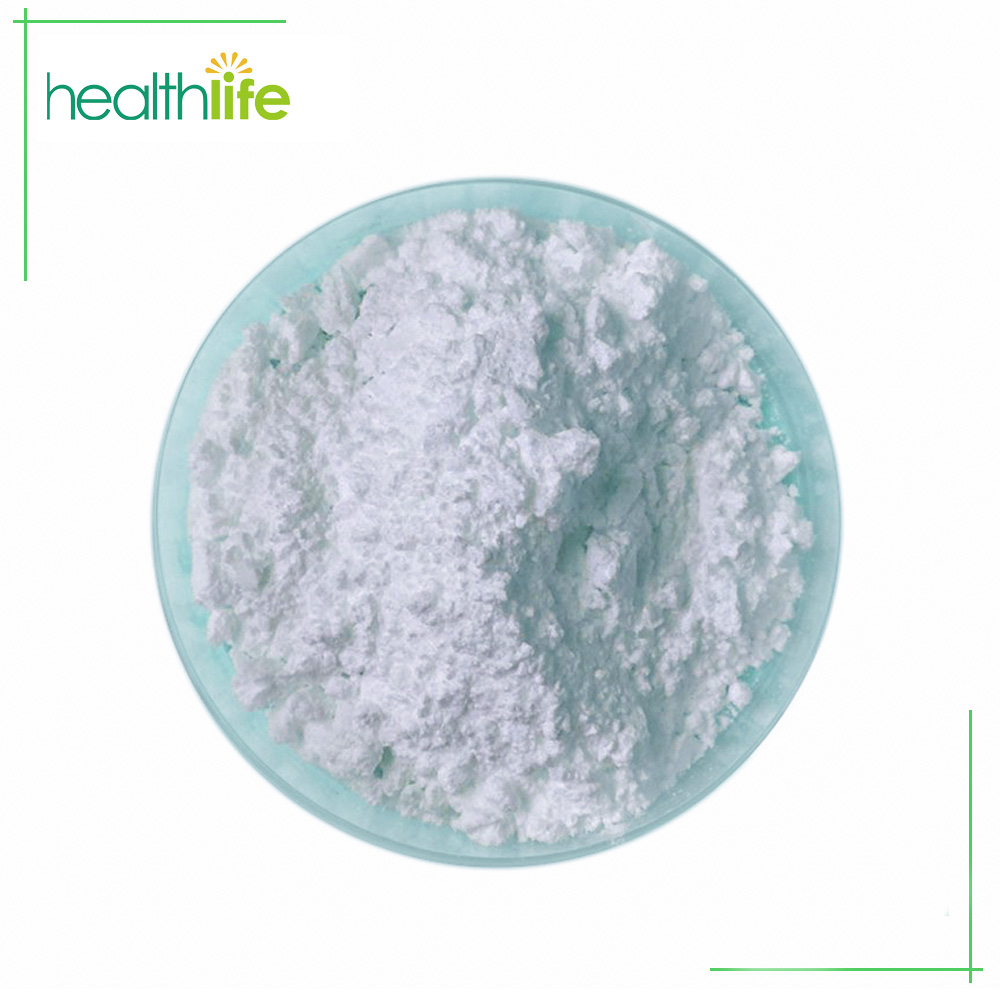
AMYGDALIN is an herbal constituent derived from the kernel of various fruits of the genus “Prunus” which includes the plum, prune, almond, apricot, cherry and peach among others. According to the Merck Index, and the Chemical Abstracts Service AMYGDALIN is a white, crystalline, inodorous powder with an intensely bitter taste.
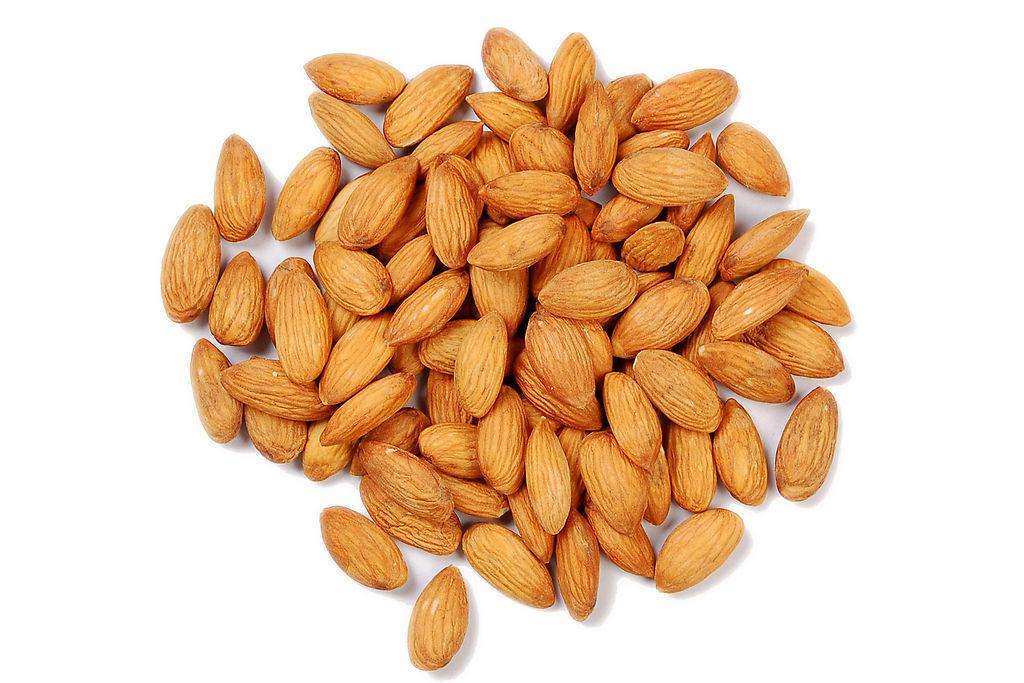
Since the early 1950s, a modified form of amygdalin has been promoted under the names laetrile and "Vitamin B17" as a cancer cure. In reality, neither amygdalin nor any derivative such as laetrile is in any sense a vitamin. Laetrile is the purified form of the compound amygdalin, which is found naturally in fruits and vegetables, particularly in the apricot pits and bitter almonds. Amygdalin was first isolated in 1830 and was used as an anticancer agent in Russia as early as It is believed that laetrile relieves the pain of cancer. One theory is that cancer cells contain large quantities of the enzyme beta-glucosidase. This enzyme breaks the amygdalin down and releases cyanide, a toxic chemical that then kills cancer cells.
The Benefits
It May Prevent Cancer
This is the most controversial aspect of this vitamin since it is praised by some and denounced by others as an effective approach to cancer. While many experts say that it has little to no effect, leading to the banning of this substance in the United States, other more natural or holistic practitioners continue to use this vitamin in other parts of the world, claiming that the hydrogen cyanide is able to counter the effects of cancerous cells and neutralize them.
Blood Pressure
Some of the active compounds in vitamin B17 (amygdalin) do have other effects in the body, such as the production of thiocyanate, a well-known compound that can suppress the blood pressure. For those people suffering from hypertension, this can be an excellent way to keep your blood pressure in check and lower your risk of atherosclerosis, heart attacks, stroke, and coronary heart diseases.
Immune System
There is some evidence that tightly controlled use of this vitamin, particularly when acquired through natural sources, can help to boost your immune system and prevent a variety of infections and ailments.
Analgesic
As a painkiller, this vitamin (amygdalin) has been used in traditional medicine to soothe pain and is also known to lower the pain experienced during cancer and chemotherapy treatment. Again, the dose and efficacy are in question, but it remains a popular natural remedy.
AMYGDALIN is an herbal constituent derived from the kernel of various fruits of the genus “Prunus” which includes the plum, prune, almond, apricot, cherry and peach among others. According to the Merck Index, and the Chemical Abstracts Service AMYGDALIN is a white, crystalline, inodorous powder with an intensely bitter taste.
Since the early 1950s, a modified form of amygdalin has been promoted under the names laetrile and "Vitamin B17" as a cancer cure. In reality, neither amygdalin nor any derivative such as laetrile is in any sense a vitamin. Laetrile is the purified form of the compound amygdalin, which is found naturally in fruits and vegetables, particularly in the apricot pits and bitter almonds. Amygdalin was first isolated in 1830 and was used as an anticancer agent in Russia as early as It is believed that laetrile relieves the pain of cancer. One theory is that cancer cells contain large quantities of the enzyme beta-glucosidase. This enzyme breaks the amygdalin down and releases cyanide, a toxic chemical that then kills cancer cells.
The Benefits
It May Prevent Cancer
This is the most controversial aspect of this vitamin since it is praised by some and denounced by others as an effective approach to cancer. While many experts say that it has little to no effect, leading to the banning of this substance in the United States, other more natural or holistic practitioners continue to use this vitamin in other parts of the world, claiming that the hydrogen cyanide is able to counter the effects of cancerous cells and neutralize them.
Blood Pressure
Some of the active compounds in vitamin B17 (amygdalin) do have other effects in the body, such as the production of thiocyanate, a well-known compound that can suppress the blood pressure. For those people suffering from hypertension, this can be an excellent way to keep your blood pressure in check and lower your risk of atherosclerosis, heart attacks, stroke, and coronary heart diseases.
Immune System
There is some evidence that tightly controlled use of this vitamin, particularly when acquired through natural sources, can help to boost your immune system and prevent a variety of infections and ailments.
Analgesic
As a painkiller, this vitamin (amygdalin) has been used in traditional medicine to soothe pain and is also known to lower the pain experienced during cancer and chemotherapy treatment. Again, the dose and efficacy are in question, but it remains a popular natural remedy.